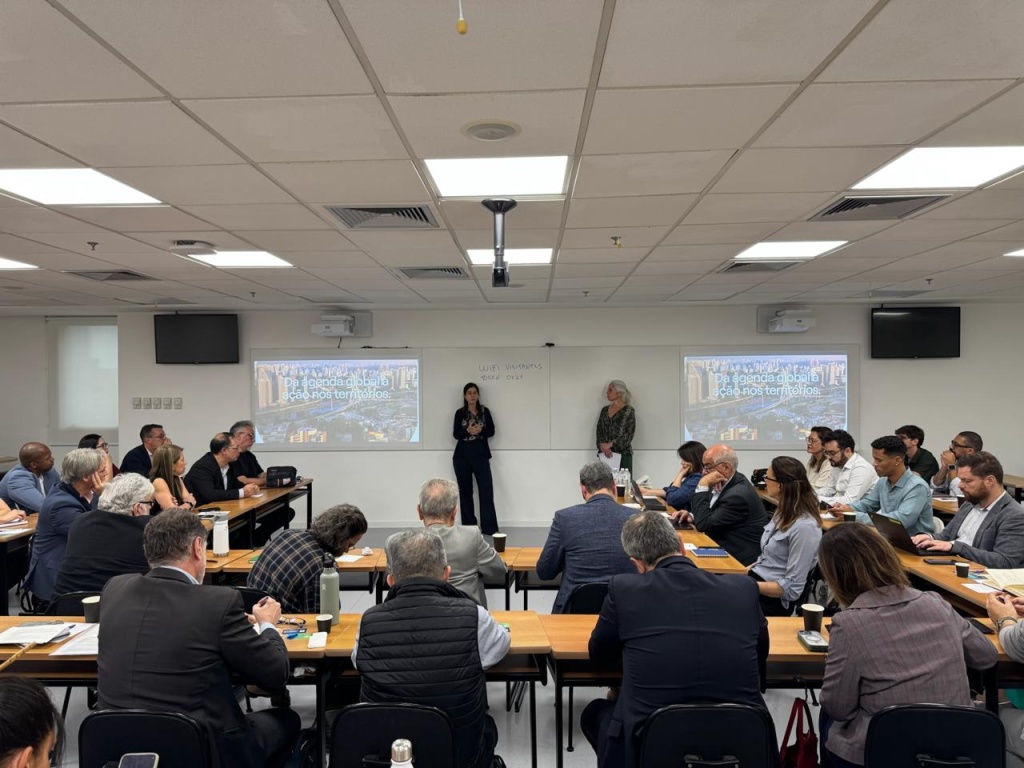
In collaboration with the National Confederation of Insurers (CNseg), FGV organized, within the framework of London Climate Action Week 2026, a roundtable on Climate Risks and Resilience.
Climate risks are intensifying globally, causing substantial losses across various sectors of society. Brazil, with its diverse biomes, climates, and soils, offers a unique “laboratory” of climate data that can support global research on risk assessment and resilience strategies. This panel examined how scientific knowledge can guide public policies aimed at enabling societies to mitigate and adapt to climate-related risks. It also highlighted the role of strategic instruments—such as insurance and reinsurance—in supporting cities to anticipate, manage, and reduce the impacts of climate-related disasters.
By bringing together renowned researchers, insurance and reinsurance companies, civil society organizations, and funding agencies, the discussion considered how climate data, risk modeling, and evidence-based policymaking can contribute to resilient infrastructure, green financing, and more informed decision-making.
The panel emphasized how integrated approaches—combining science, public policy, and financial tools—can enhance the capacity of cities and institutions to anticipate, manage, and recover from climate catastrophes, while also opening new pathways for international collaboration and long-term resilience initiatives.
Read the full coverage of the event.
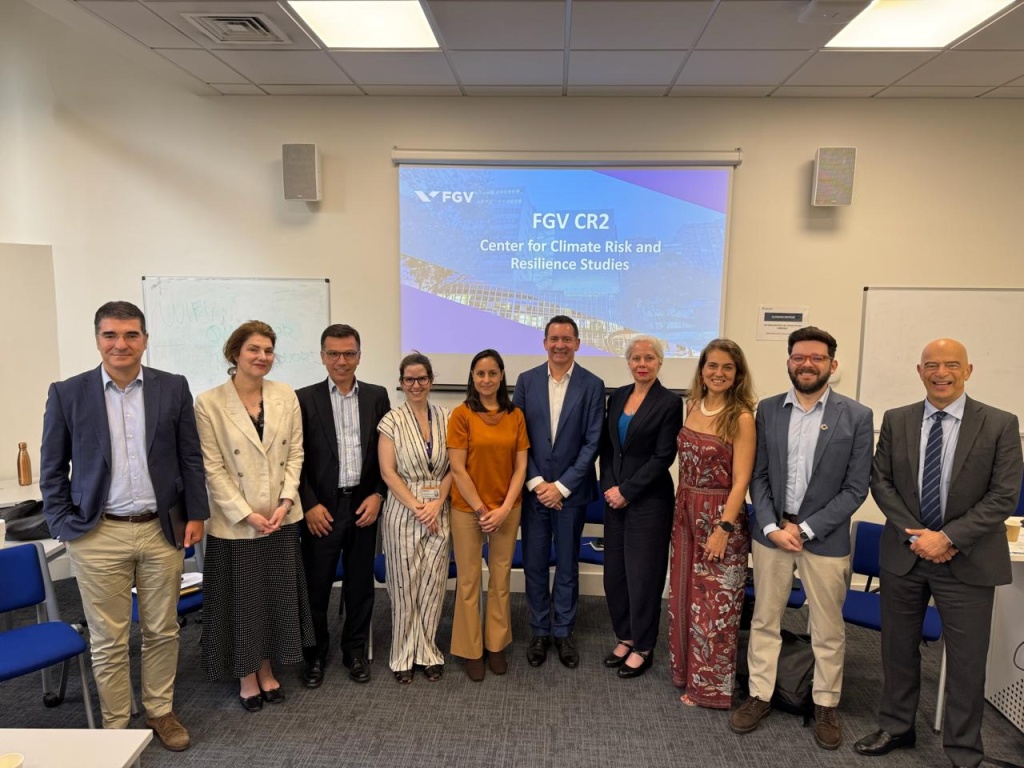
In partnership with the National Confederation of Insurers (CNseg), FGV organized, during the São Paulo Climate Week 2026, the roundtable “Climate Change and Impacts on Municipalities: Scientific Contributions to Adaptation and Mitigation Actions.” The event served as a direct continuation of the debates initiated at the London Climate Action Week in June 2026.
Climate extremes are intensifying in both cities and rural areas, causing severe socioeconomic losses and affecting multiple sectors. The national scenario, marked by serious threats such as urban heatwaves and prolonged droughts that compromise metropolitan areas and agriculture, demands coordinated and immediate action.
This panel examined how to translate scientific knowledge into risk modeling tools and public policies applicable at the municipal scale. It also highlighted the role of strategic financial protection instruments—such as parametric insurance and reinsurance—in supporting cities and ecosystems to anticipate, manage, and mitigate climate-related risks.
By bringing together scientists, insurance companies, government agencies, policymakers, and multilateral banks, the discussion considered how the urgent need for high-quality data, the establishment of public-private partnerships, and new climate finance solutions can contribute to resilient infrastructure, water security, and more informed decision-making.
The panel emphasized how integrated approaches—combining science, adaptation policies, and innovative financing mechanisms (such as Nature-Based Solutions and hybrid funds)—can enhance the capacity of cities and institutions to prepare for and recover from climate disasters, while also structuring a national resilience agenda and long-term planning strategy for the country.
The debate featured dynamic collaboration among key actors from multiple sectors, including academic and research institutions such as FGV, CEMADEN, INPE, Fapesp, IPÊ, and Columbia University; leaders from the insurance, reinsurance, and risk management markets such as CNseg, IRB(Re), Bradesco Seguros, Sindseg-SP, Tokio Marine, AON, Marsh, and Horiens; as well as representation from the public sector with SECLIMA-SP, the infrastructure sector with ABDIB, civil society with iCS, and financial and multilateral development institutions such as BNDES and IFC (World Bank Group).
The full coverage of the event will be available soon.
Check out the presentations given at the event.